Core Programme
Foundation Level
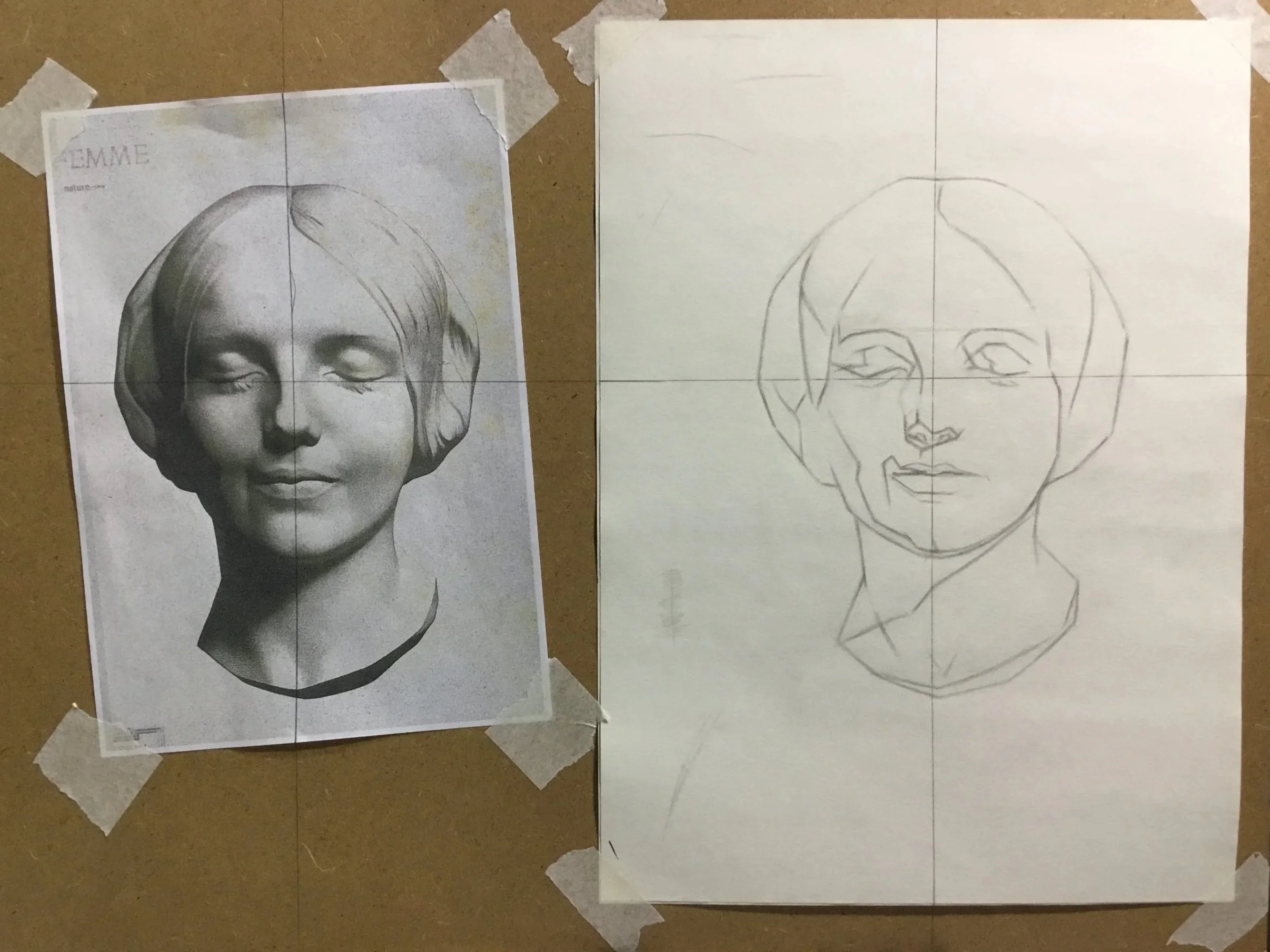
Students begin with the time honoured tradition of studying plates (prints) from the 19th century Charles Bargue Drawing course.
Working sight size from flat 2D prints, The Bargue Drawing Course, trains the students eye and hand to accurately measure proportions, construct three dimensional forms as well as understand values (tones) and Light Logic.
Working with guided help lays a solid foundation for an artists drawing and painting career.
Level One- Cast Drawing in Vine Charcoal
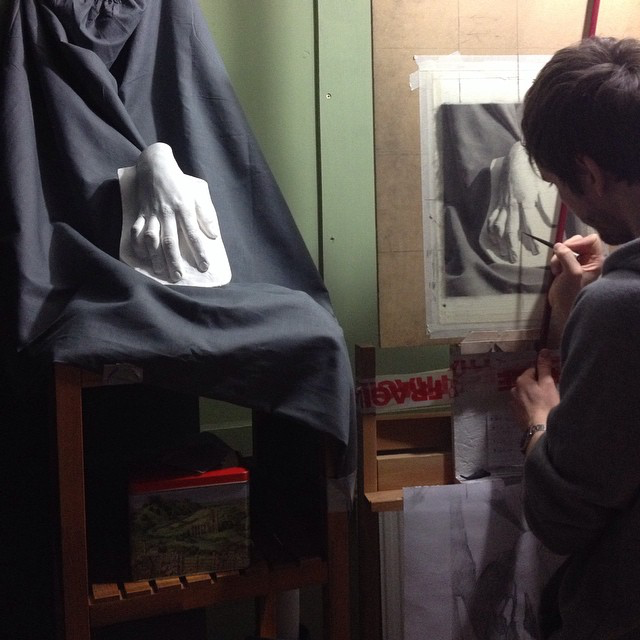
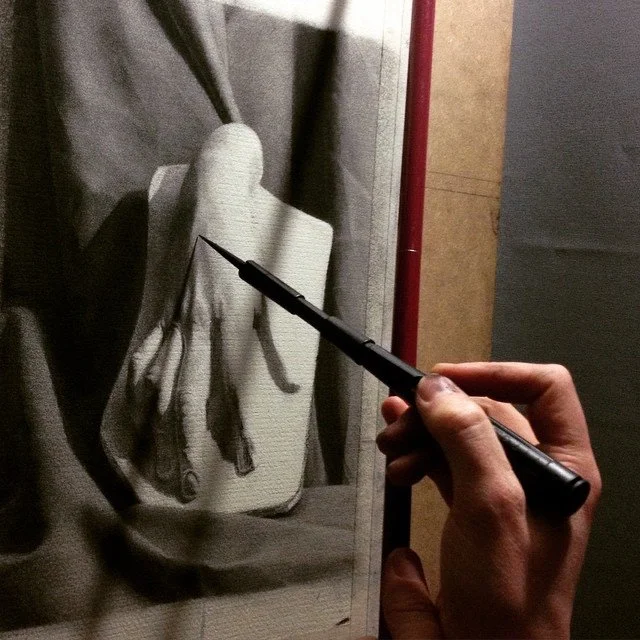
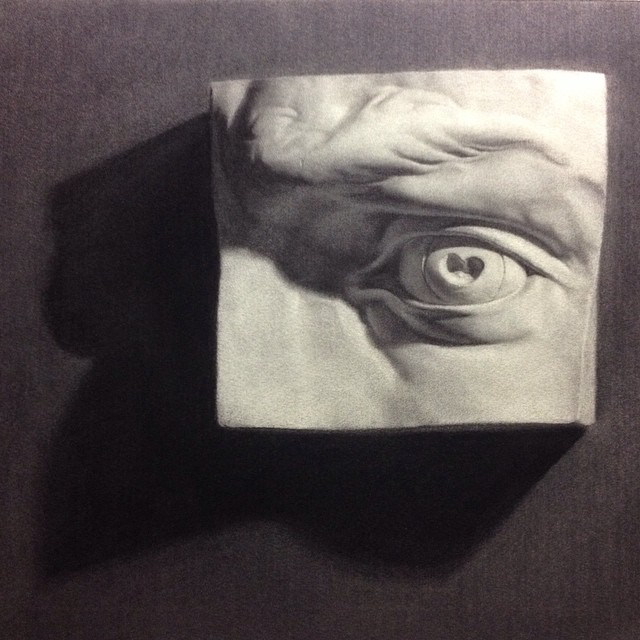
Bridging the gap from Flat Copying to working from life. After copying the Bargue plates (which train measurement and proportion from a flat master image) the student now begins to use a modified technique to work from life drawing a plaster cast in specially sharpened vine charcoal. The vine charcoal is a natural stepping stone between graphite and paint as we begin to use brushes to blend between values and introducing chalk and sanguine mediums too. The student must now judge form 'in the round', examining how light from a single light source wraps across a 3D form and how to conceptualise that on to flat paper.
Level Two- Cast Painting in Monochrome and Limited Palette
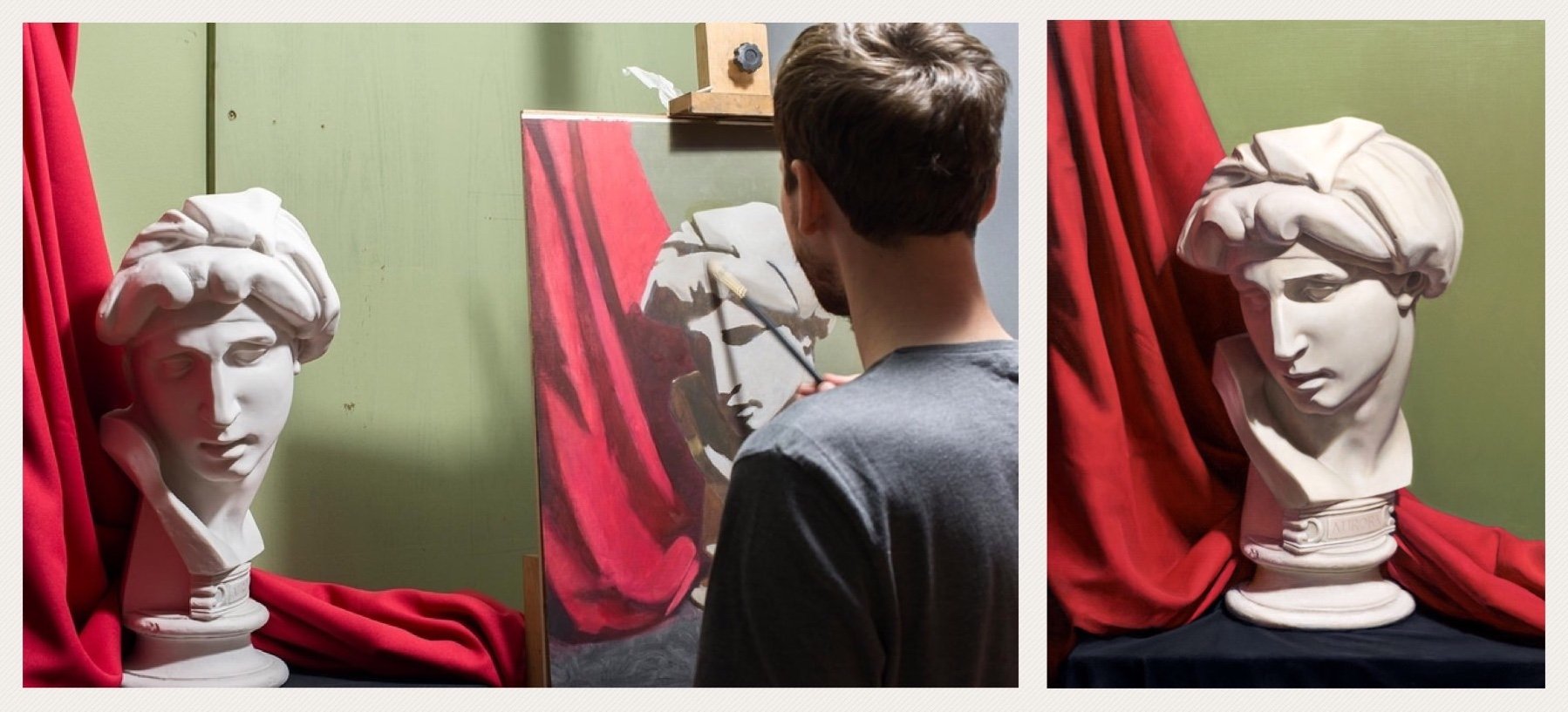
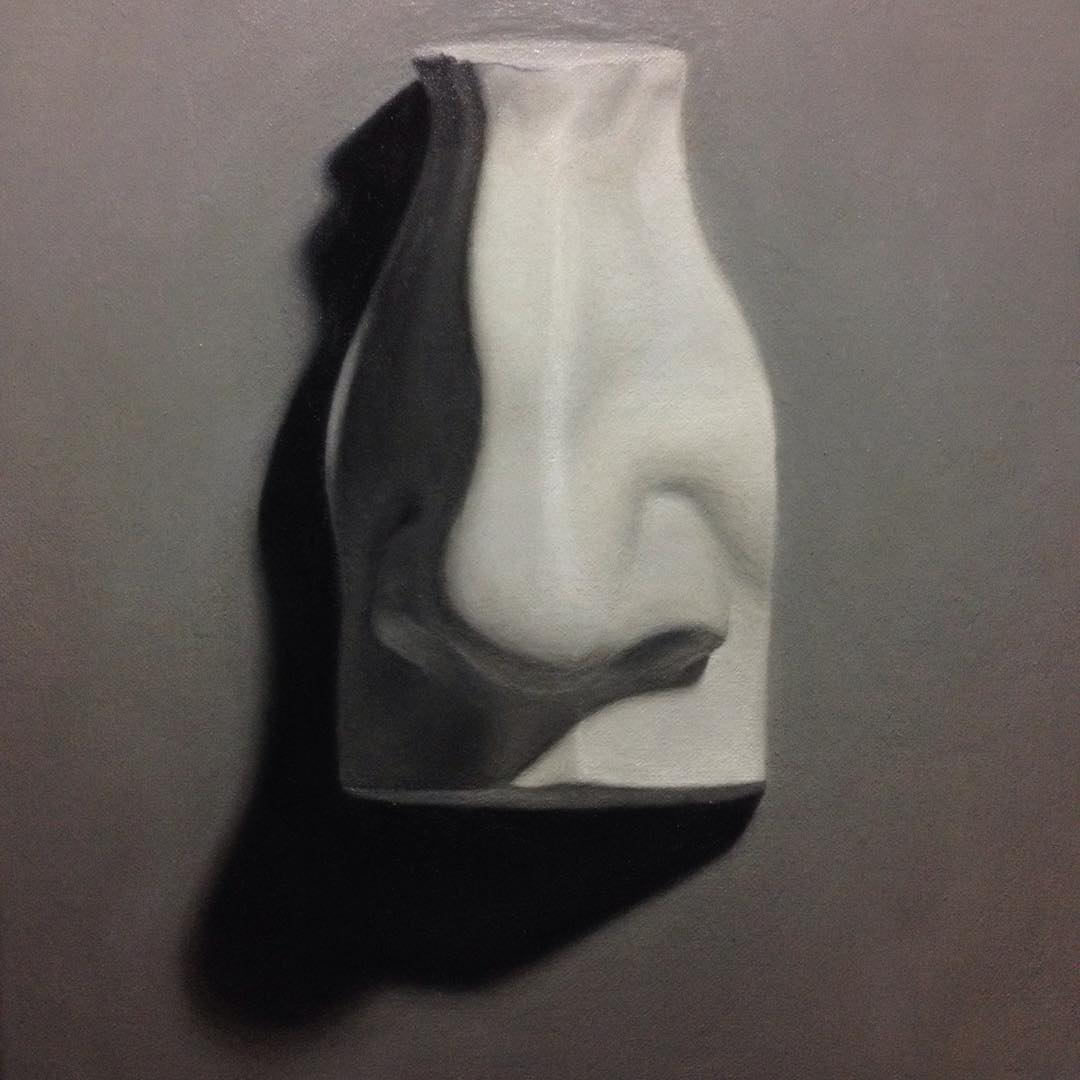
The first steps into oil painting. Working from a simple cast the student produces a drawing, like in previous levels on paper, which is then transferred to canvas in oil paint and finished as a monochromatic oil painting. Ensuring again the student keeps a firm grip on the procedure, breaking it down into modular steps to complete a finished piece as to not overwhelm. Following this the student uses a limited palette of colours to paint a fully rendered complex cast and still life set up. Alongside the cast paintings there will be multiple demonstrations and mini exercises for the student to complete in oil paints, like colour studies, temperature studies, form studies etc etc to really hone their craft and embed a professional artists working method.
Level Three- Compositional Still Life & Perishables
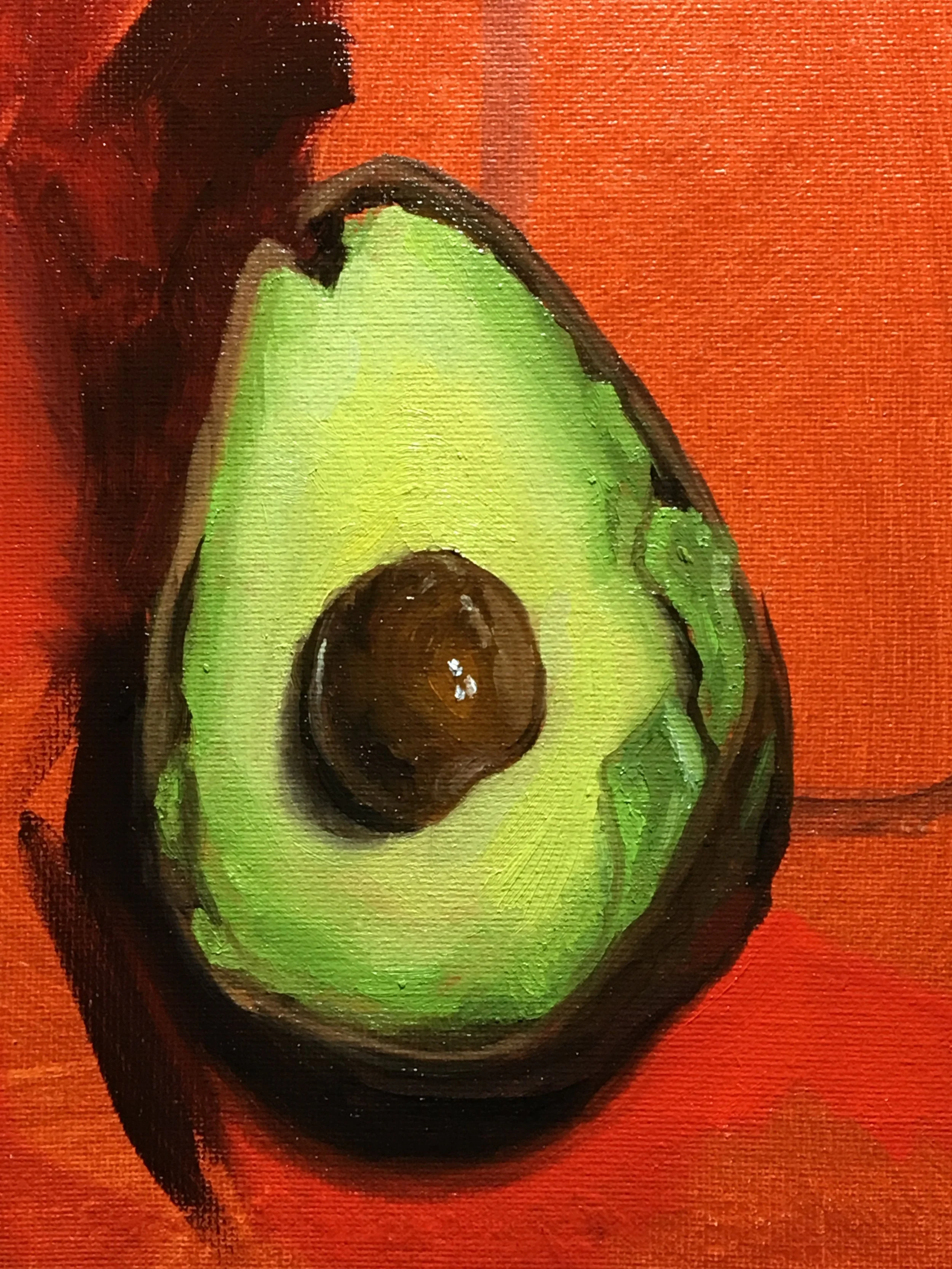
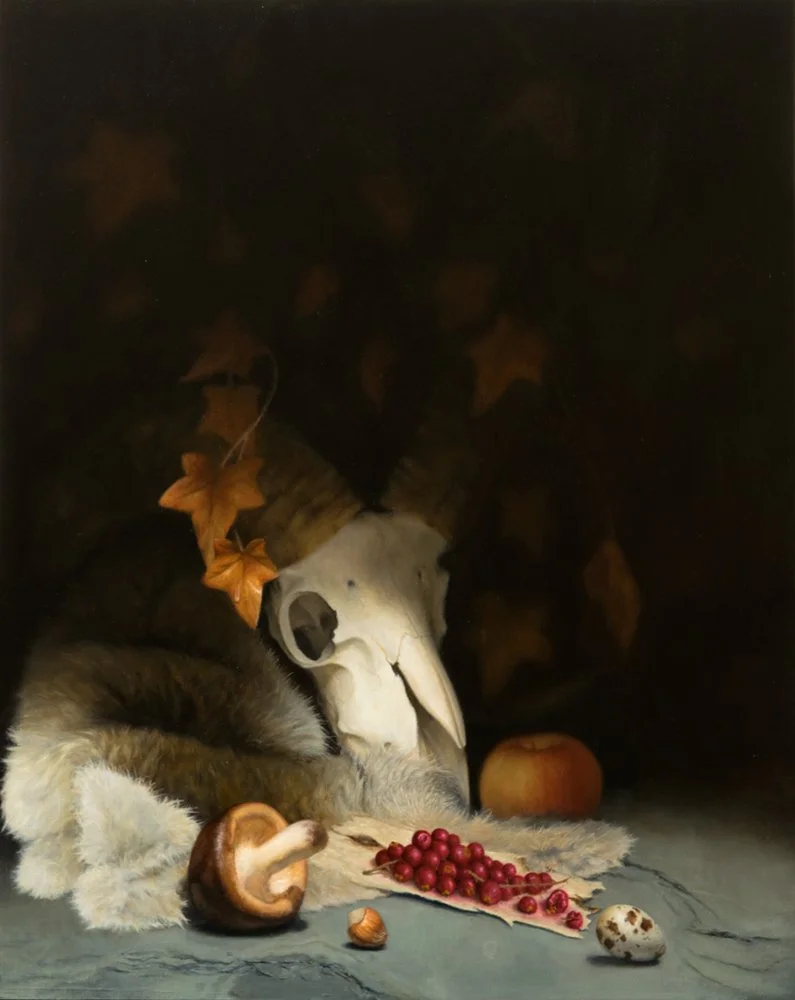
Still life gives students to begin to refine everything they have learnt so far. Playing with composition, colour and a range of textured objects like glass, metal, fabrics and fruit.
working with perishable objects sharpens discipline and speed while exploring apporaches like tenebrism and glazing techniques lets students continue to develop their own personal painterly language before moving onto their final project.
Graduation- Final Project
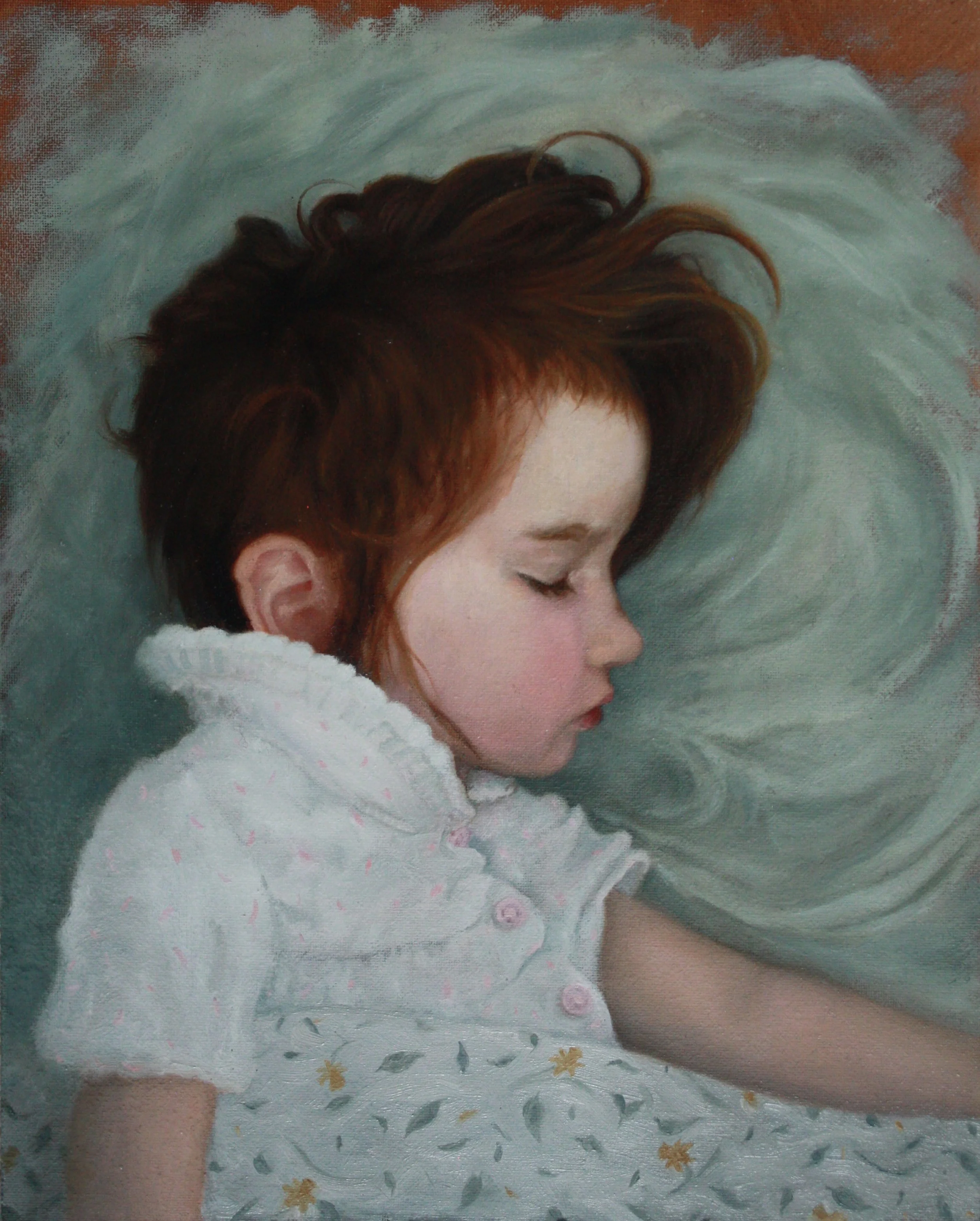
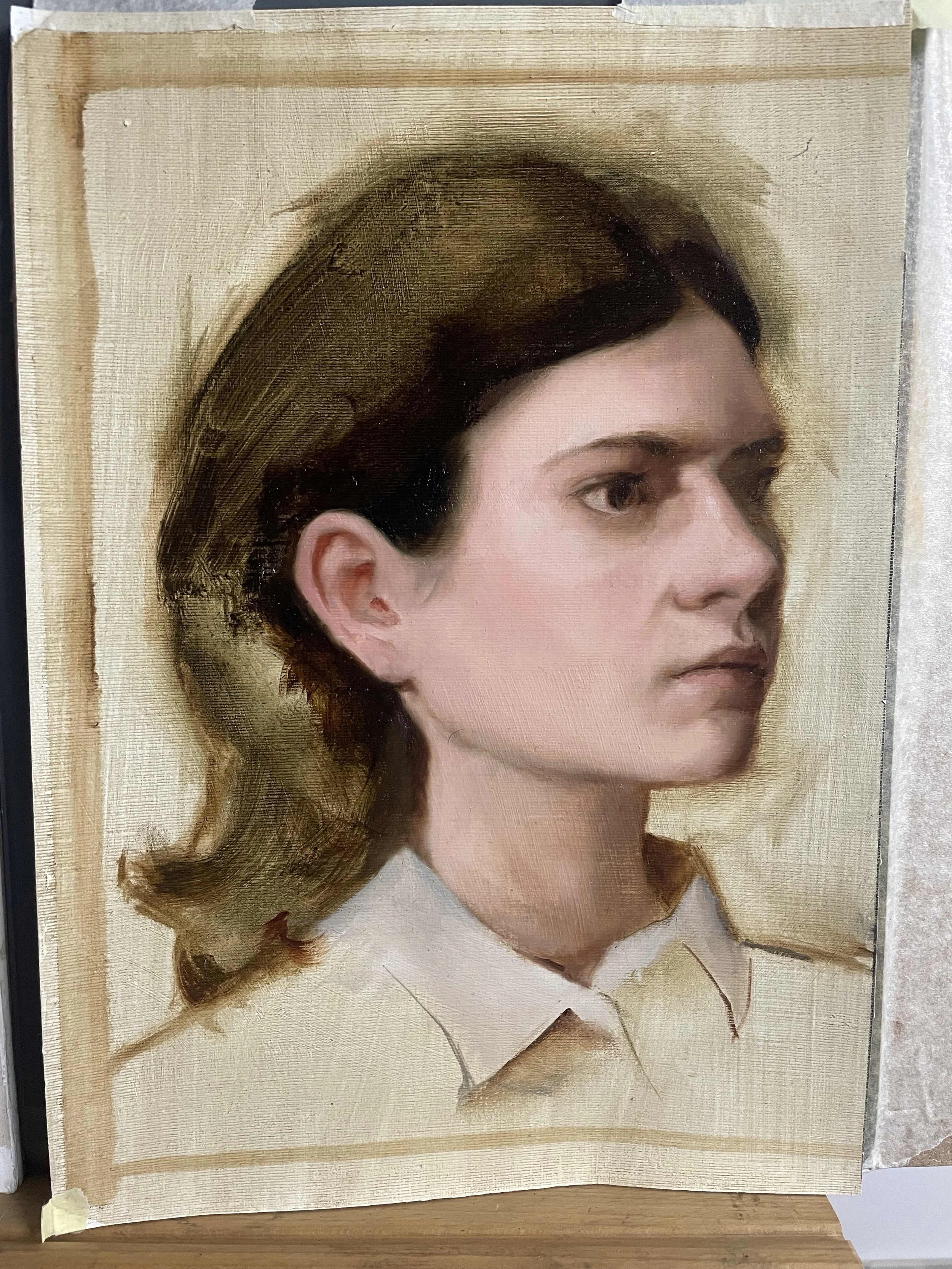
The final Project is where atelier training comes full circle. Working closely with and guided by tutors, students use the exercises they have learnt so far to develop their own ideas and themes; choosing their own subject, composition and approach for themselves.
Every skill built along the way is drawn on to construct a finished work that speaks in the students own voice, making their transition from student to indepedent artist.
Working From the Live Model
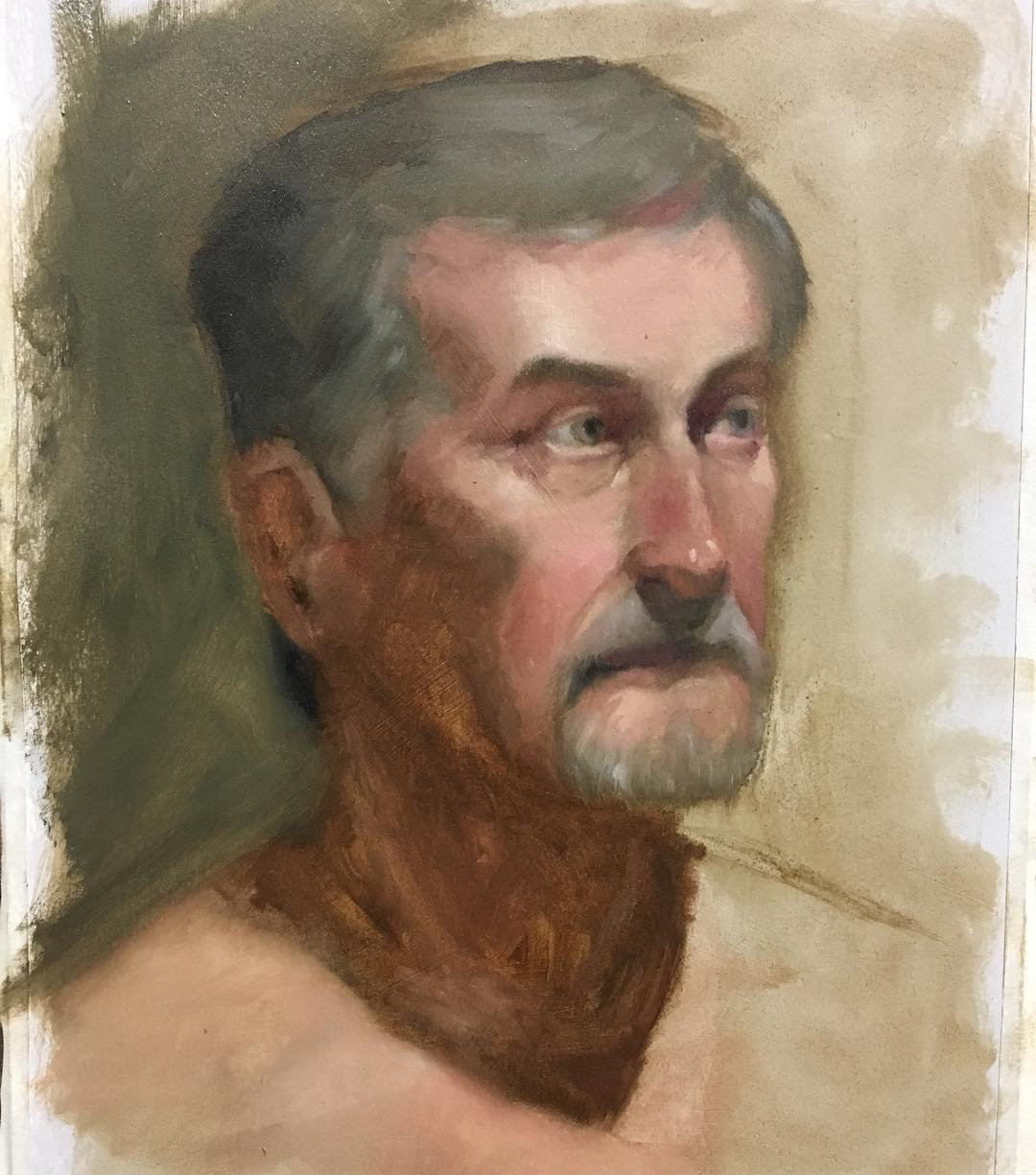
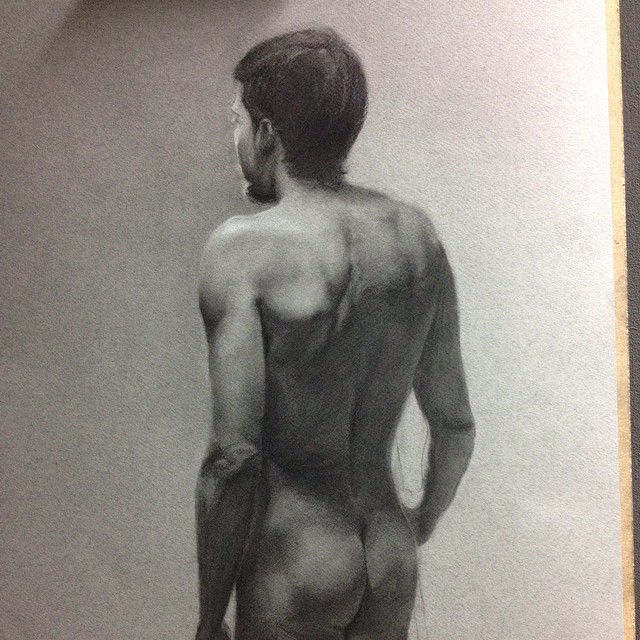
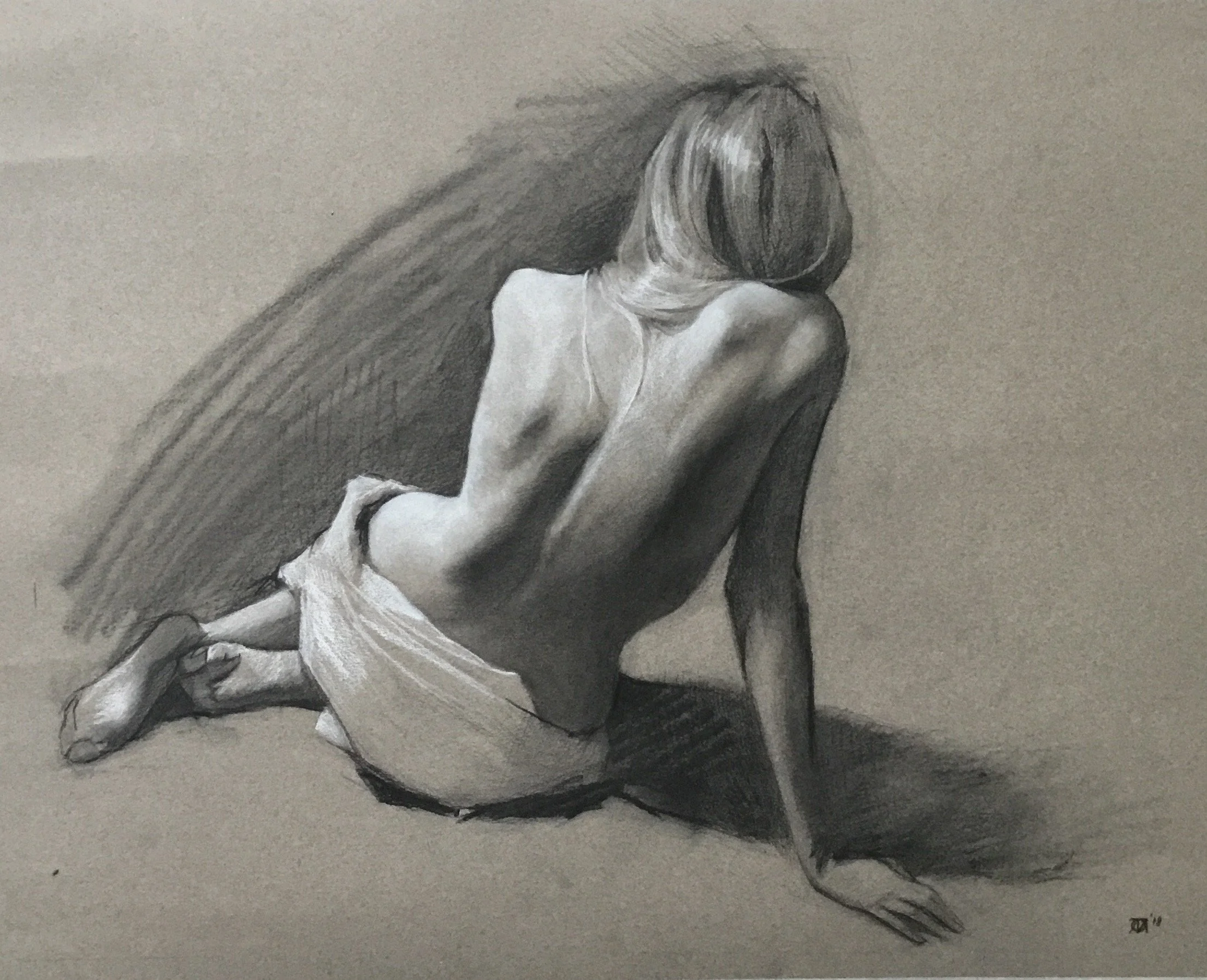
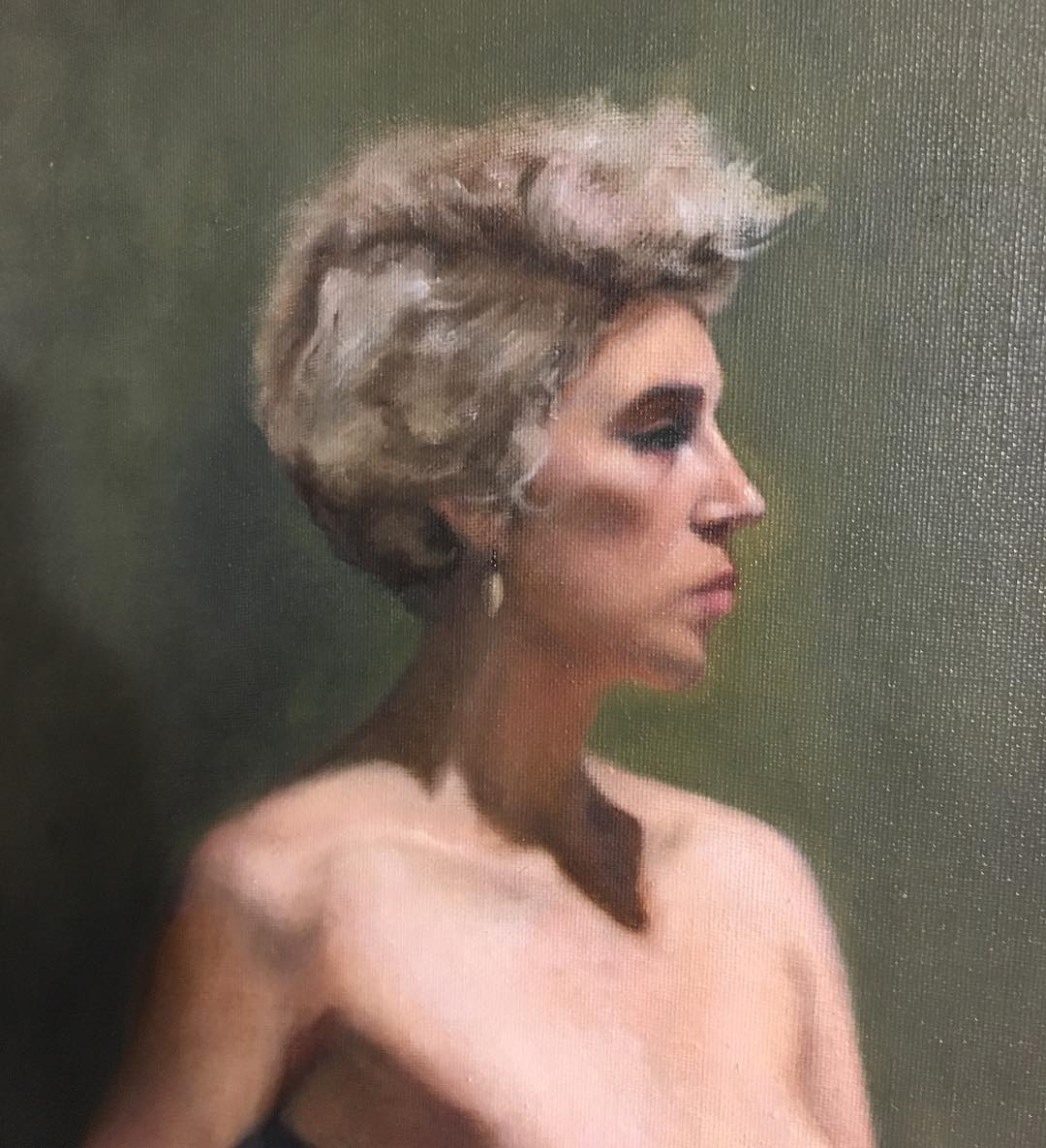
Throughout every phase of the training students also work continuosly from the live nude model, not as a seperate stage but as an ongoing thread that runs alongside each new skill as it is introduced. Whether the current focus is graphite, charcoal or oil the same techniques learnt from the still life or cast is simultaneously applied to working frmo the live model.
So, students are always testing their new knowledge against the most demading subject there is: the living human form.
“I finally learnt some practical art skills! The curriculum offers real classical techniques and training in a contemporary way. Now I feel I can actually use those skills to bring my own artistic vision to life at last.”
– Student Testimonial